
Keep wind-driven rain outside the wall
Siding in Pottstown, PA
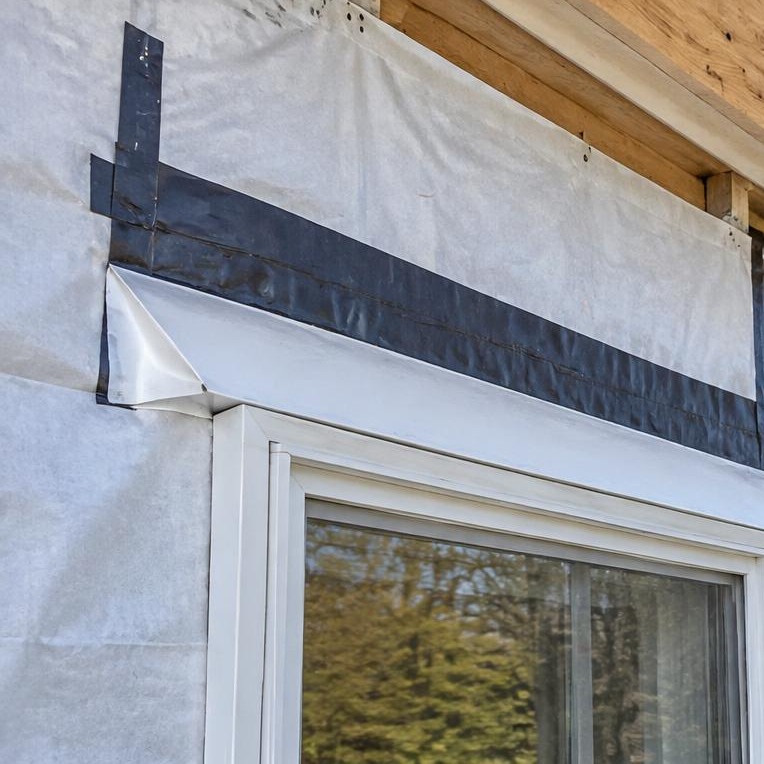
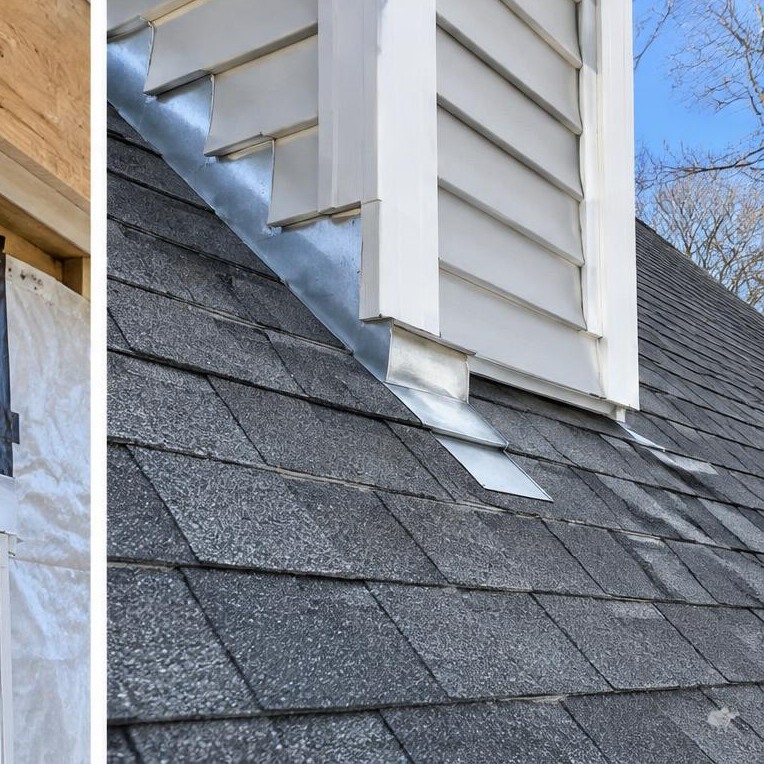
Siding is a drainage layer, not the only water barrier. Corners, windows, doors, roof-to-wall joints, and housewrap details control where rain goes.
Loose panels above a walkway or water entering around windows need prompt review.
10-second roof lesson
How Water Gets From a Roof Opening to a Ceiling Stain
Takeaway: A small split at a pipe boot can admit wind-driven rain.
Interactive roof symptom check
Tap What You See
Get a likely cause, urgency level, and safe next step. This does not replace an inspection.
Ceiling stain
Schedule soonWatch closely: Water may be traveling from a pipe boot, valley, vent, chimney, or roof-to-wall flashing above the stain.
Do this now: Mark the stain edge with a pencil, photograph it, and check whether it grows after rain.
CALL NOW — (484) 946-9084General failure examples
What a Full Inspection Checks
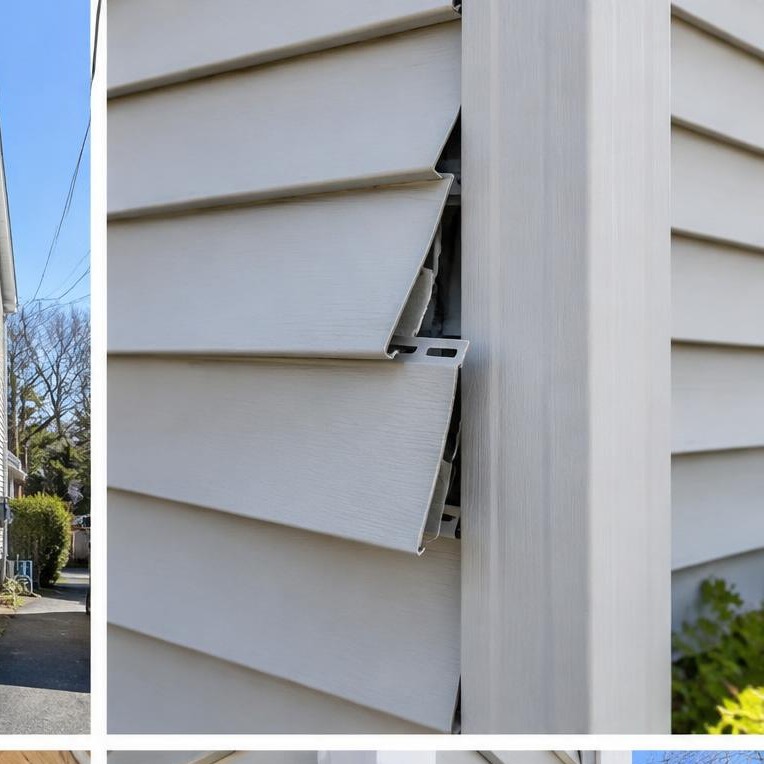
These educational examples show common roof weak points. They are not photos of a local customer’s home.
01
Loose panel
Wind can unlock panels or pull fasteners near corners and roof lines.
02
Window staining
Water marks may point to head flashing, trim, sealant, or drainage-layer trouble.
03
Soft wall area
Long-term moisture can affect sheathing behind the visible finish.
04
Buckling
Panels fastened too tightly may not move through temperature changes.
Attic water-path guide
Why the Stain Is Not the Source
Entry
Rain gets through a split boot, lifted shingle, open seam, valley, or flashing joint.
Deck
Water meets roof decking and may run sideways or downhill before it drops.
Rafter
Wood framing, nails, pipes, and wires can redirect the water path.
Insulation
Insulation can hold and spread moisture, hiding the source for days.
Ceiling
A stain or drip finally appears below—sometimes several feet from the opening.
Repair or replace?
Choose From Evidence, Not Pressure
| Question | Repair fits when | Replacement fits when |
|---|---|---|
| Condition | Damage is isolated and matching panels can reconnect to sound trim and drainage layers. | Damage, fading, brittleness, or water-entry details affect broad wall sections. |
| Price factors |
Exact pricing requires an inspection. This site does not post made-up flat prices. | |
Montgomery County roof stress
Built for Four Hard Seasons
Freeze, thaw, repeat
Meltwater can refreeze at cold eaves. Good attic airflow and the right water barrier help manage ice-dam risk.
Heat and movement
Summer heat and winter cold move metal, flashing, sealants, and shingles at different rates.
Wind-driven rain
Severe thunderstorms can lift shingle seals and force rain into aging valleys, walls, and penetrations.
A clear five-step plan
From First Clue to Final Check
- 01
Describe the problem
Share what you see, when it started, and where water or damage appears.
- 02
Inspect the full path
The roofer checks the roof surface, flashing, attic, deck, and the area below.
- 03
Review clear findings
Photos and a written scope should connect each recommended item to the problem.
- 04
Approve the right-sized fix
Choose repair or replacement based on condition, not pressure.
- 05
Verify the finished work
Review repaired details, cleanup, drainage, and written warranty terms.
Pottstown questions
Straight Answers Before You Call
How quickly should I address a siding problem?
Active water, loose materials, or an exposed roof opening need prompt attention. Keep people away from wet ceilings and do not climb onto the roof.
What changes the final price?
Roof size, height, slope, access, material match, hidden deck damage, flashing details, and the amount of safe tear-off all affect a written quote.
Will I get the exact roofer’s name?
Yes. Your request goes to one local partner roofer. Their name is shared when they contact you to arrange the visit.
Does insurance always cover storm damage?
No. Coverage depends on your policy and the cause of damage. Your insurance company makes that decision. Dated photos and a clear inspection record can help.
Related Pottstown roofing guides
Get a Clear Roof Plan
Tell us what you see. One local partner roofer will follow up about the inspection and exact scope.