01
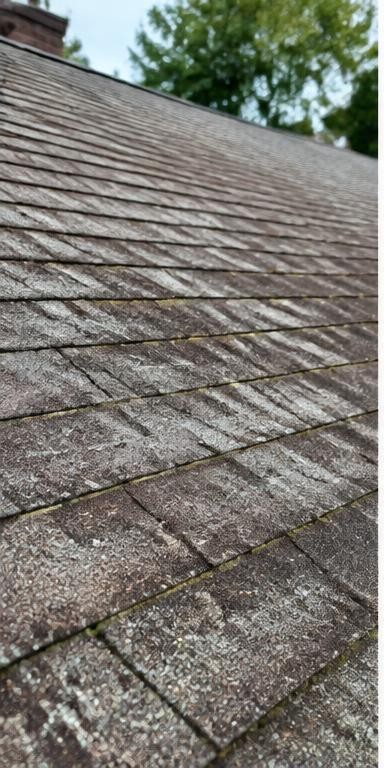
Document the old roof
Confirm layers, flashing, ventilation, and access before tear-off.

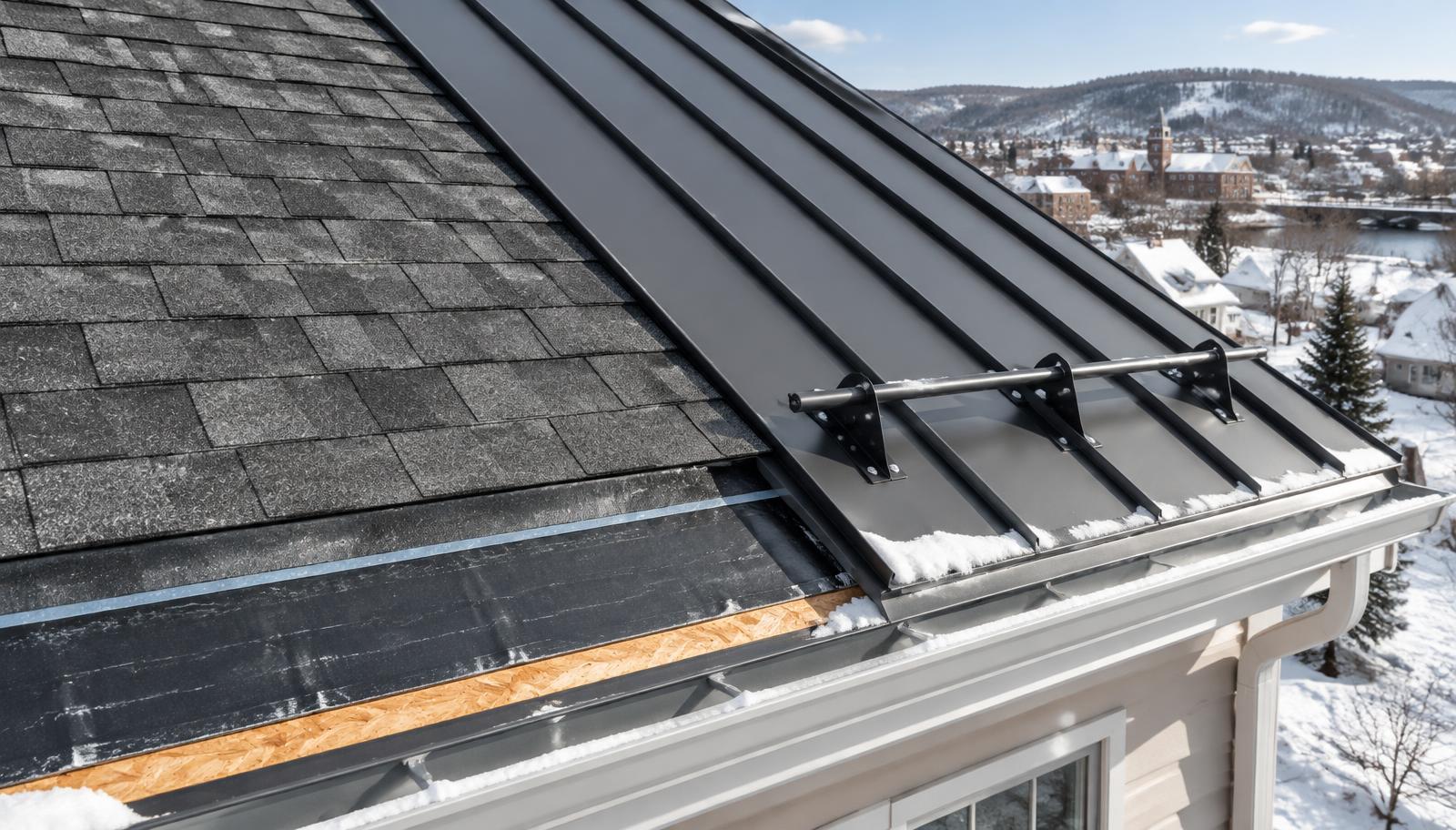
Plan every layer
Compare materials, tear-off details, winter protection, and warranty terms before choosing a system.
10-second roof lesson
Takeaway: A small split at a pipe boot can admit wind-driven rain.
Material decision
| Question | Architectural shingles | Standing-seam metal |
|---|---|---|
| Up-front cost | Usually lower | Usually higher |
| Winter detail | Ice barrier, flashing, and ventilation are key | Snow movement, clips, underlayment, and snow retention need planning |
| Repair access | Individual areas may be replaced when material remains flexible | Panels and custom trim can require broader disassembly |
| Look and sound | Familiar layered profile | Clean vertical seams; attic assembly affects rain sound |
| Quote must state | Shingle line, accessories, ventilation, tear-off | Panel profile, thickness, finish, clips, trim, snow controls |
Confirm layers, flashing, ventilation, and access before tear-off.
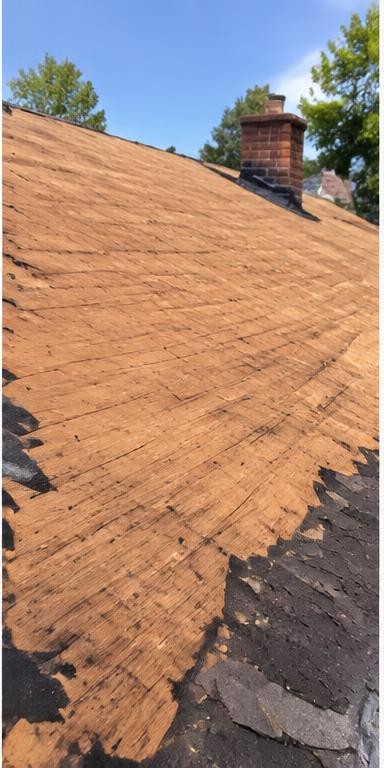
Remove old roofing so hidden soft wood and old patchwork can be seen.
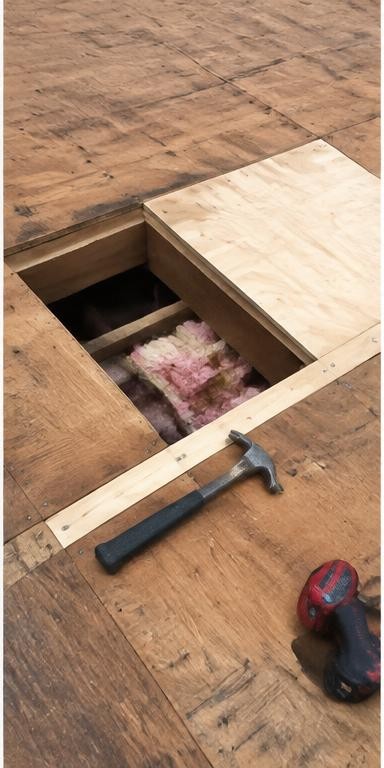
Replace only damaged sheathing and confirm a solid fastening surface.
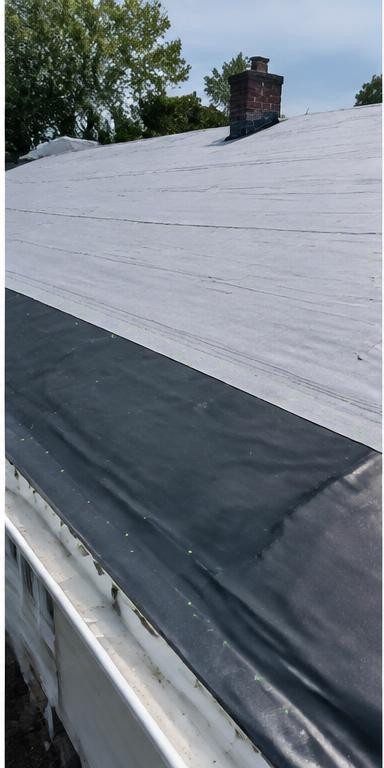
Install eave protection, underlayment, edges, valleys, and new flashing.
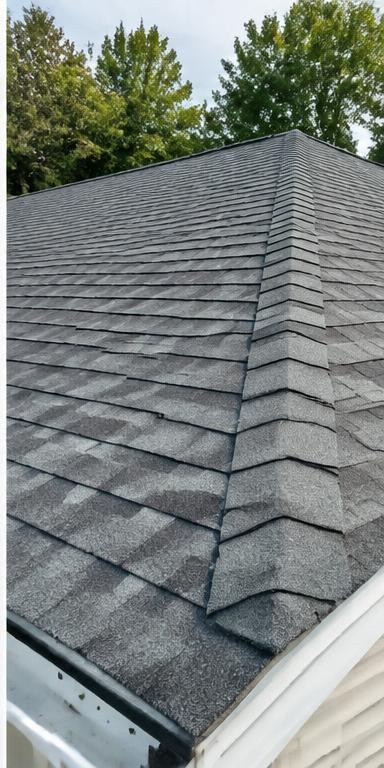
Finish the field, ridge, ventilation, cleanup, and final walkthrough.
Ask what defect is covered, for how long, and whether coverage changes over time.
Get the installer’s separate term, exclusions, repair process, and transfer rules in writing.
Confirm the exact shingles, underlayment, ventilation, flashing, and accessories required for the stated coverage.
Final specifications must match the home, product instructions, and applicable local code.
A repair fixes one area. A new roof starts fresh. The right choice depends on age, condition, and how often problems come back.
Here is what a full roof installation usually looks like.
The roofer measures squares, checks layers, vents, flashing, and access.
Tarps and boards protect plants, siding, and driveways.
Old roofing comes off down to the wood deck.
Soft or broken wood is replaced so the new roof has a solid base.
Ice and water barrier goes at eaves and valleys, then underlayment across the deck.
New flashing, vents, shingles or metal, ridge caps, cleanup, and a final walk-through.
Roof size, number of old layers, wood repairs, steepness, height, material choice, and extras like skylights all change the number. We do not post made-up prices. Our replacement cost guide explains each part so you can compare quotes.
Send us what you're seeing.
Roof replacement in Pottstown, PA and nearby towns:
Straight answers
Active water, loose materials, or an exposed roof opening need prompt attention. Keep people away from wet ceilings and do not climb onto the roof.
Roof size, height, slope, access, material match, hidden deck damage, flashing details, and the amount of safe tear-off all affect a written quote.
Yes. Your request goes to one local partner roofer who serves Pottstown and nearby towns. Their name is shared when they contact you to arrange the visit.
No. Coverage depends on your policy and the cause of damage. Your insurance company makes that decision. Dated photos and a clear inspection record can help.
Price the real scope
Roof area, slope, layers, deck repairs, material system, ventilation, flashing, access, and disposal all change the written price.